You've seen the company culture videos that make you cringe.
Employees standing in a circle laughing at nothing. CEO delivering a speech about "our people are our greatest asset." A montage of ping pong tables, casual Fridays, and rooftop gatherings that looks identical to every other tech company recruiting video from 2019.
These videos don't work. Not just because they're poorly produced, but because they're psychologically backward. They try to sell candidates on why a company is great before establishing whether that company is actually the right fit for the candidate.
The result: you attract candidates who want to work at a generic "fun company" rather than candidates who specifically want to work at your company doing your actual work. You spend six months recruiting someone who leaves after eight months because the reality didn't match the pitch.
The goal isn't to attract as many candidates as possible. The goal is to attract the specific candidates who will succeed at your company and repel the ones who won't.
This is a radical reframe for most HR teams and marketing departments. They think more applicants is better. The best hiring managers know that more wrong applicants is expensive, demoralizing, and organizationally draining.
An effective company culture video should cause specific candidates to think "that's exactly where I want to work" and cause other candidates to think "that doesn't sound like me at all." Both responses are correct. The video is working when it creates self-selection rather than general attraction.
Honest Performance Expectations
Show what the work actually looks like. Not the highlight reel, not the rare big moments, but the daily operational reality. If your environment is high-pressure and fast-moving, show that. If your culture expects long hours during peak periods, communicate that. If collaboration is central to how decisions get made, demonstrate it authentically.
Candidates who thrive in demanding environments are actively looking for proof that your company operates at a high level. They're not discouraged by honest depictions of intensity. They're attracted to them. The culture video that honest about its demands will attract exactly this type of candidate while self-selecting out candidates who want a low-stakes environment.
Specific Values in Action, Not Abstract Values Stated
Every company claims to value innovation, integrity, and teamwork. These words have been worn smooth by overuse. They communicate nothing to candidates who hear them constantly in every recruiting process.
What works: showing a specific situation where a specific value was demonstrated and had a real consequence. "We turned down a $2 million contract because we couldn't do the work with the quality our clients expect" communicates more about your actual values than any abstract statement. Candidates who share that value recognize themselves in the story. Candidates who would have pressured the team to take the contract also recognize themselves—and remove themselves from consideration.
Real Employees With Real Opinions
Coached testimonials are worse than no testimonials. When employees say scripted lines about "the supportive culture" and "incredible opportunities," candidates know they're watching a performance. The credibility required for effective recruiting video requires some degree of unguarded authenticity.
This means asking employees questions they actually have opinions about: what's the hardest part of working here? What's surprised you most about the culture? What kind of person succeeds here and what kind of person struggles? These answers, even when honest and somewhat critical, are more persuasive than enthusiastic endorsements because they feel real.
The Specific Problem Your Company Is Trying to Solve
The best candidates—especially at senior and specialized levels—aren't looking for a job. They're looking for a meaningful problem to work on. Your recruiting video should articulate the specific problem your company exists to solve and why that problem matters.
This is why companies with strong missions (and videos that communicate those missions authentically) consistently attract better candidates than companies offering higher compensation with vague purpose. People want their work to mean something. Give them a reason to care about what you're doing, not just how you're doing it.
Authenticity and professional production quality are not in conflict. You can create footage that feels real and human while still looking cinematic and intentional.
What kills authenticity in recruiting videos is over-scripting and over-directing. When employees are given exact lines, they perform the lines rather than expressing genuine perspective. When every shot is perfectly posed, the result looks staged rather than real.
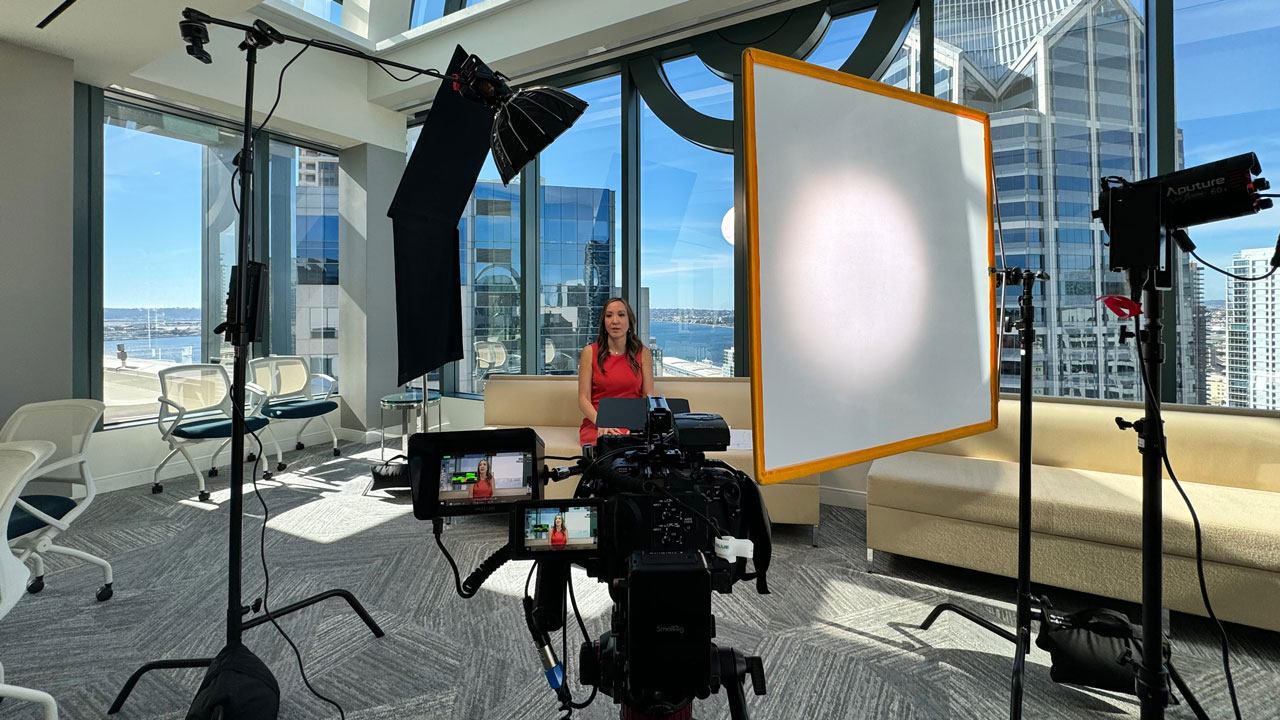
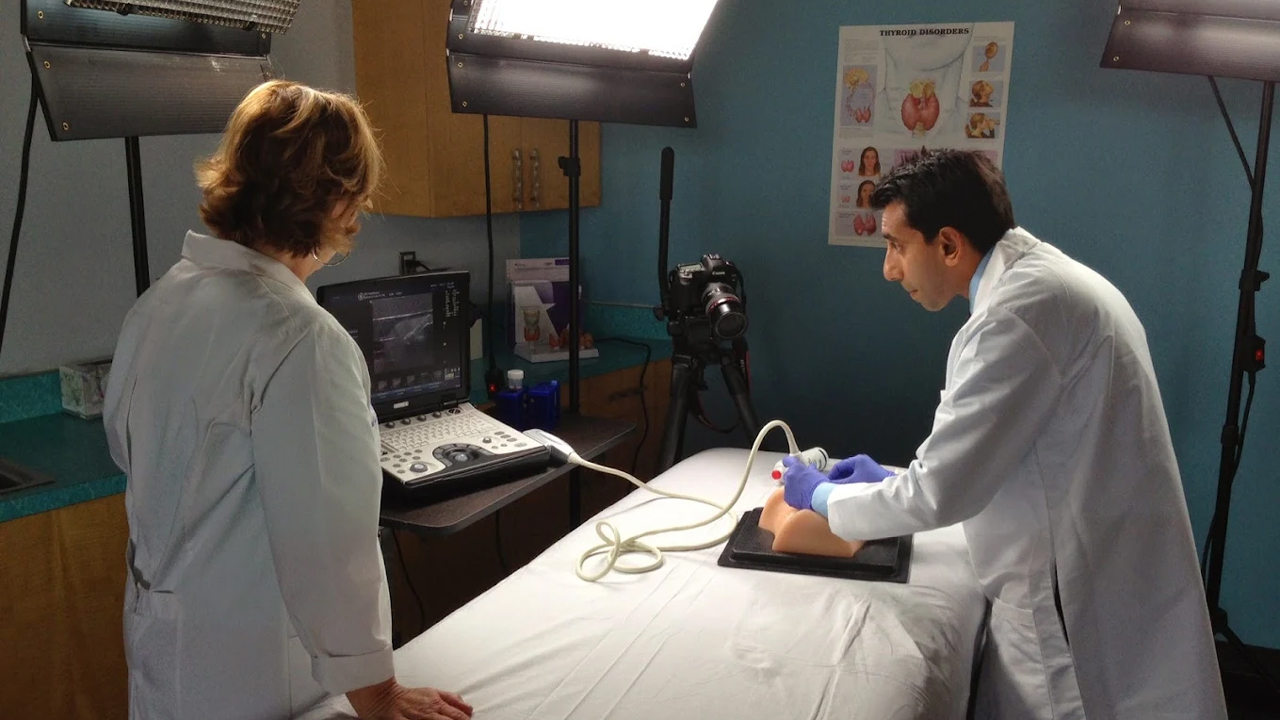
What creates authenticity: documentary-style interview techniques that get employees talking about real experiences rather than delivering prepared statements. Cinematic B-roll that captures actual work rather than posed work. Editing that gives moments room to breathe rather than cutting away from anything imperfect.
The visual quality should match the quality signal you want to send about your company. A recruiting video that looks cheap suggests you don't invest in quality. But a recruiting video that looks hyper-produced and artificial suggests you don't value authenticity. The target is: looks intentional and high-quality, feels honest and human.
Most companies measure recruiting video success by view count or application volume. These are vanity metrics.
The actual metrics that matter: candidate quality scores from interviews, offer acceptance rates, 12-month retention rates for employees who were hired after watching the culture video, and cultural fit assessments from managers at the 90-day mark. Did the video attract people who actually fit and succeeded? That's the only question that matters.
We've spent 21 years learning that the best brand videos (whether for customers or candidates) share one quality: they tell the truth in a way that makes people want to be part of the story. For more insights on strategic video production, explore our blog.
Also check out our brand story video framework for related insights.