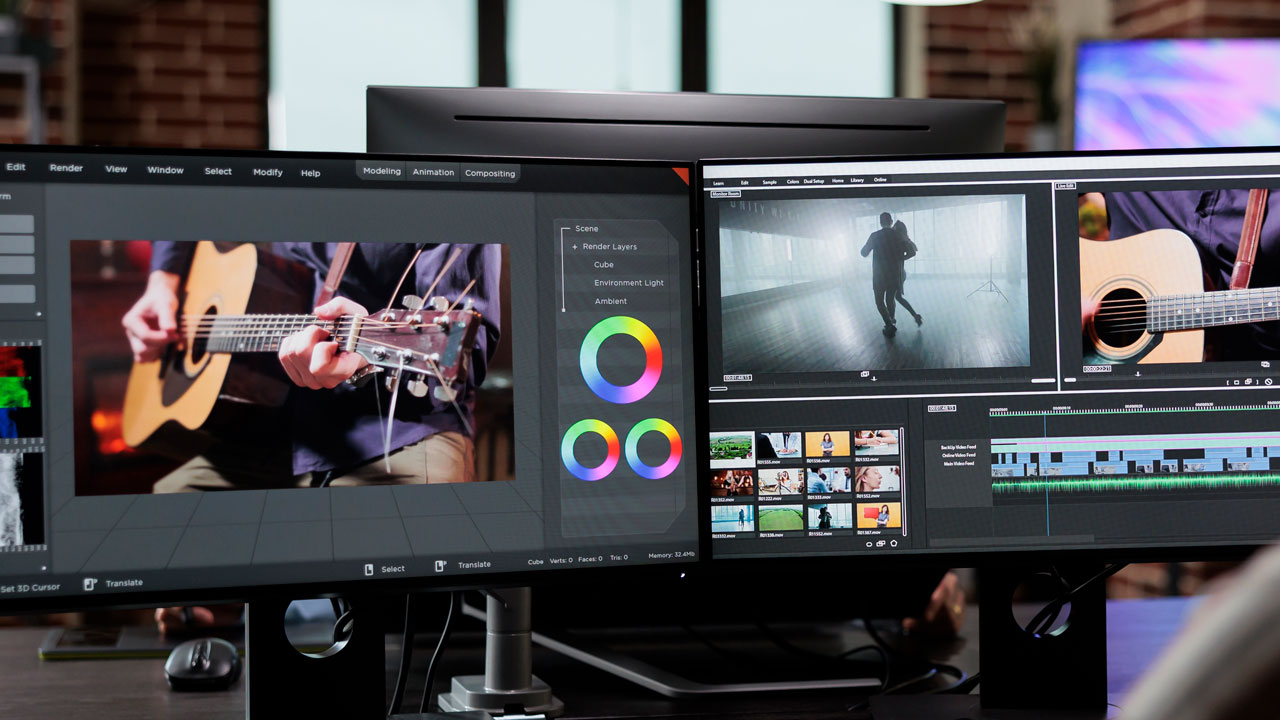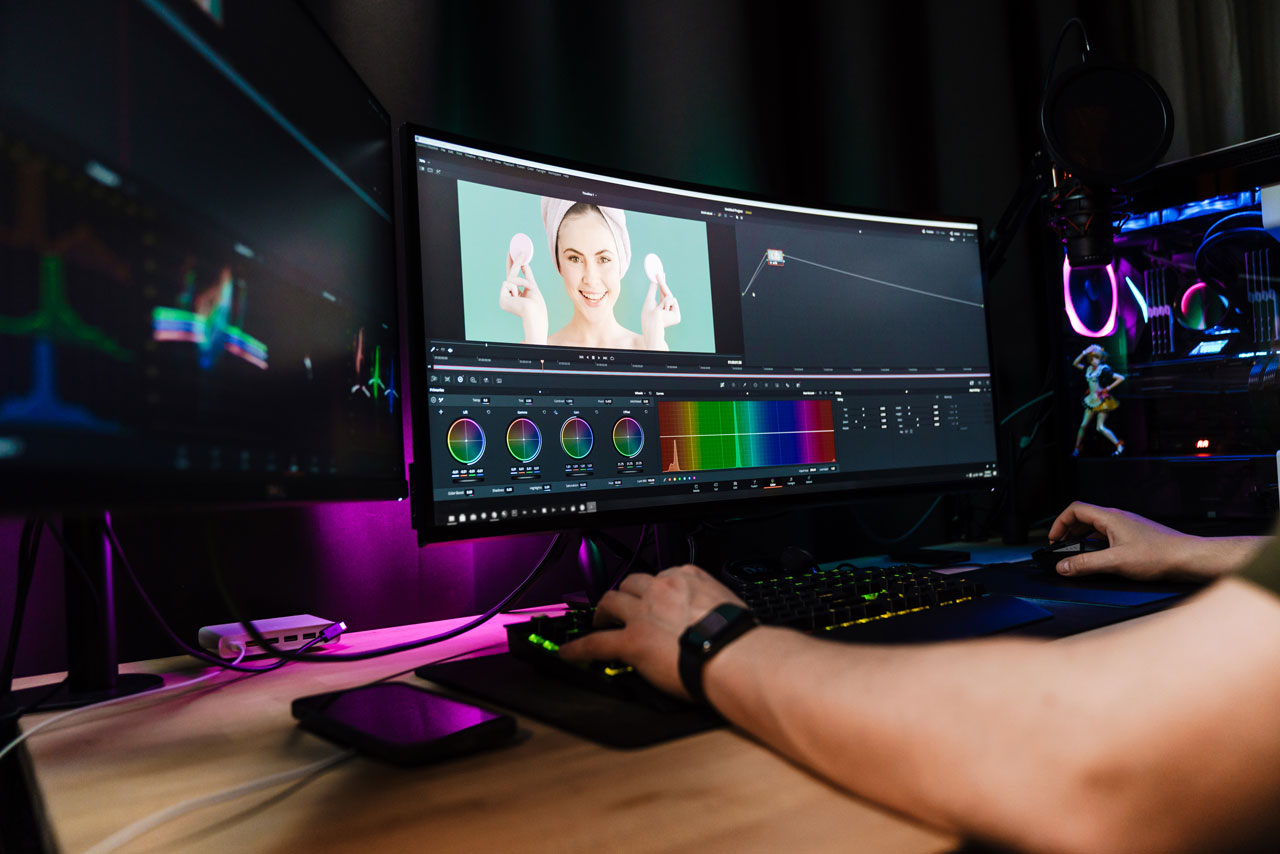
Two corporate videos. Same script. Same location. Same camera. Same lighting setup.
One feels like a $50,000 production. One feels like it was shot on a smartphone in a conference room.
The difference is color grading.
This isn't a minor aesthetic consideration. In our experience producing thousands of corporate videos for clients selling high-ticket B2B services, we've learned that production value isn't just about looking good—it's a direct psychological signal that affects whether prospects perceive your company as a serious option or a questionable one.
When a $500,000 consulting firm presents its credentials on video and the footage looks like an amateur production, prospects don't just notice the poor quality—they transfer that perception to questions about the company's attention to detail, professionalism, and ability to execute at a high level. Your video's production quality is a preview of what it's like to work with you.
Color grading isn't about making footage look "nice." It's about creating specific psychological states that make viewers more receptive to your message.
Warm color palettes (golden tones, slightly elevated reds) create feelings of approachability and trust. We use these for service businesses where the relationship is the product: consulting firms, coaching companies, professional services providers. The warmth signals human connection rather than corporate distance.
Cool palettes (subtle blue-teal grades, controlled color temperature) create perceptions of precision, competence, and technological sophistication. These work for SaaS companies, financial services, and any business where accuracy and reliability matter more than warmth. The cooler grade signals rigor rather than personality.
Contrast management is equally important. Flat contrast makes footage feel documentary and authentic but can look cheap if not handled with precision. High contrast creates drama and intensity but can look harsh or aggressive if pushed too far. Most corporate videos suffer from insufficient contrast rather than too much—the footage looks muddy and forgettable instead of clean and authoritative.
We work in a specific workflow that most corporate video producers skip entirely:
Every project starts with a color grade LUT (Look-Up Table) developed for that specific client's brand. This isn't a preset or a filter—it's a custom mathematical transformation built around their brand colors, the emotional register of their messaging, and the technical characteristics of how we shot their footage. This LUT becomes the visual DNA of everything we produce for them.
We shoot in Log format, which captures the maximum possible dynamic range and color information in the footage. Log footage looks flat and desaturated straight off the camera. This is intentional. Flat footage is a canvas. Camera-processed footage is already a finished painting that can't be changed without degrading quality. The difference in final output is dramatic.
We apply the primary grade first (exposure correction, white balance, contrast foundation), then the secondary grade (selective color adjustments, skin tone refinement, environmental color control), then the creative grade (the aesthetic decisions that define the final look). Most amateur color grading skips or compresses the secondary grade, which is where the professional-versus-amateur distinction is most visible in the final output.
Corporate videos almost always feature people. How those people look on screen determines whether viewers find the video credible and trustworthy.
Human eyes are extraordinarily sensitive to skin tones. We can't necessarily identify what's wrong with poorly graded footage, but we feel it immediately. Skin tones that run too warm look orange and performative. Skin tones that run too cool look sickly or unwell. Skin tones with the wrong hue relationships look jaundiced or unnatural in ways that viewers process as "something is off" without being able to articulate why.
Professional color grading for corporate content means treating skin tones as protected territory that the creative grade works around rather than through. No matter what aesthetic choices you make for environments and backgrounds, the people in your video need to look like healthy, real humans. This requires specific technical tools (parade scopes, vectorscopes, qualifier nodes) and the expertise to use them correctly.
Most corporate video projects span multiple shoot days, sometimes multiple years. Your CEO's interview from last March is in the same edit as new client testimonials from this month. Your conference keynote footage needs to cut against case study material shot in three different cities.
Without consistent color management, the edit looks like a collection of different productions stitched together. Viewers notice this discontinuity as a credibility signal—professional companies maintain consistent visual standards, so footage that looks inconsistent suggests disorganization or corner-cutting.
We maintain color libraries for ongoing client relationships. When we receive new footage that needs to match existing material, we have the reference grades, LUTs, and technical notes that allow us to match the look precisely rather than approximating it. This is infrastructure, not just skill.
Color grading for a standard corporate interview-based video typically represents 15-25% of the post-production budget in a professional workflow. This is not an optional line item.
The economics are straightforward: a $25,000 video production budget might allocate $4,000-6,000 to color grading. That investment affects how prospects perceive your company's entire credibility and authority level for as long as that video exists on your website, plays in your sales process, or runs as an ad. The return on professional color grading isn't measured in the grading session—it's measured in every conversion that video influences over its lifespan.
See some of our production examples where this approach is evident.
For more on this, read our guide on sound design psychology.