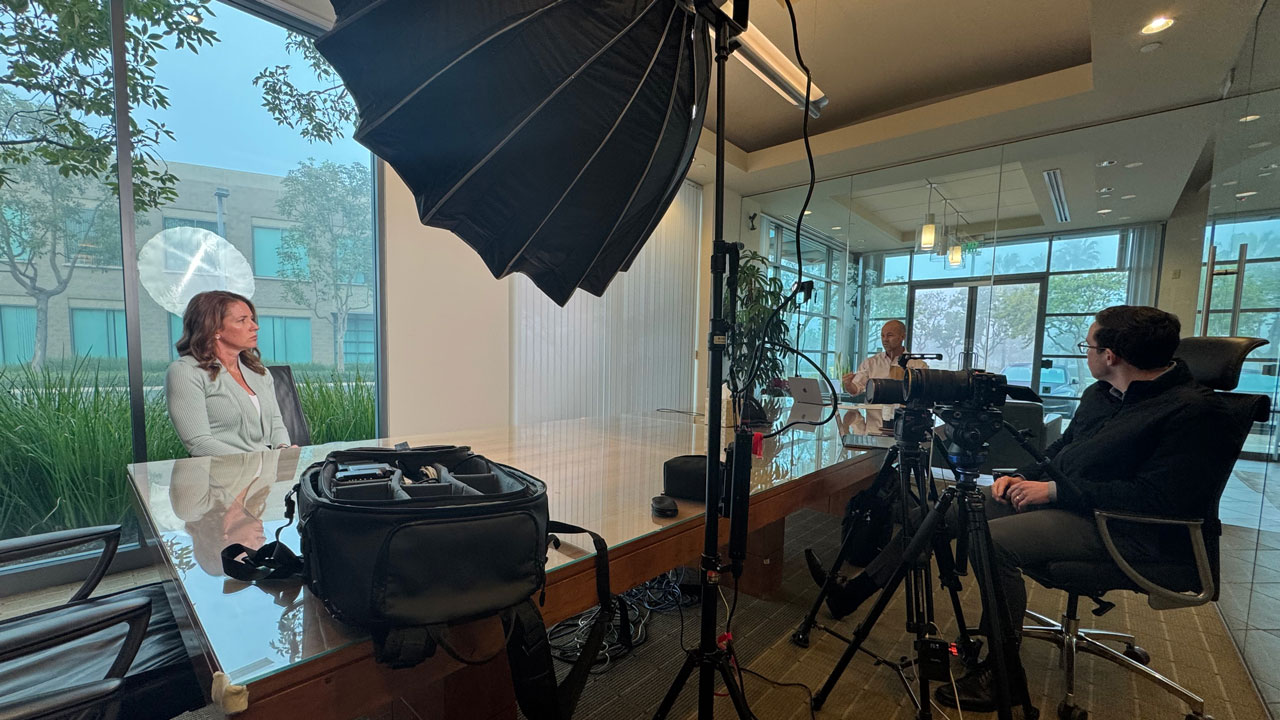
Most video production disasters don't happen during filming. They happen three weeks before filming when someone says "we'll figure it out on the day" instead of making critical decisions during pre-production.
We've seen companies lose tens of thousands of dollars because they showed up to a shoot location and discovered the CEO is wearing a white shirt in front of a white wall, the conference room they planned to film in has a jackhammer crew working outside, or the product they're supposed to demonstrate doesn't actually work the way they described in the script.
After producing over 10,000 videos, we've built a pre-production checklist that eliminates 95% of these disasters before they cost you money. Most companies skip these steps because "we just need to get the video done quickly."
That urgency costs them reshoot fees, extended editing timelines, and videos that don't convert because critical footage is missing or unusable.
Here's the pre-production framework that ensures your shoot day goes smoothly and your final video actually achieves its goal.
Most corporate video shoots happen at the client's office because "it's free and convenient." That logic is sound as long as you scout the location in advance and solve problems before the crew arrives.
Three days before the shoot, we visit every location we plan to film and check for specific problems:
Audio Contamination:
Stand in the planned interview location and listen for 5 minutes with your eyes closed. You'll hear things you wouldn't notice during a normal workday: HVAC systems cycling on and off, refrigerator compressors humming, computer fans whirring, traffic noise from nearby roads, footstep echoes from tiled floors.
Any of these sounds will be amplified by professional microphones and will either require expensive audio cleanup in post-production or make the footage unusable.
If the location has audio problems, you have three days to find an alternative room, schedule the shoot for a time when problematic equipment can be turned off, or budget for additional acoustic treatment.
If you discover this the morning of the shoot, you're stuck.
Lighting Challenges:
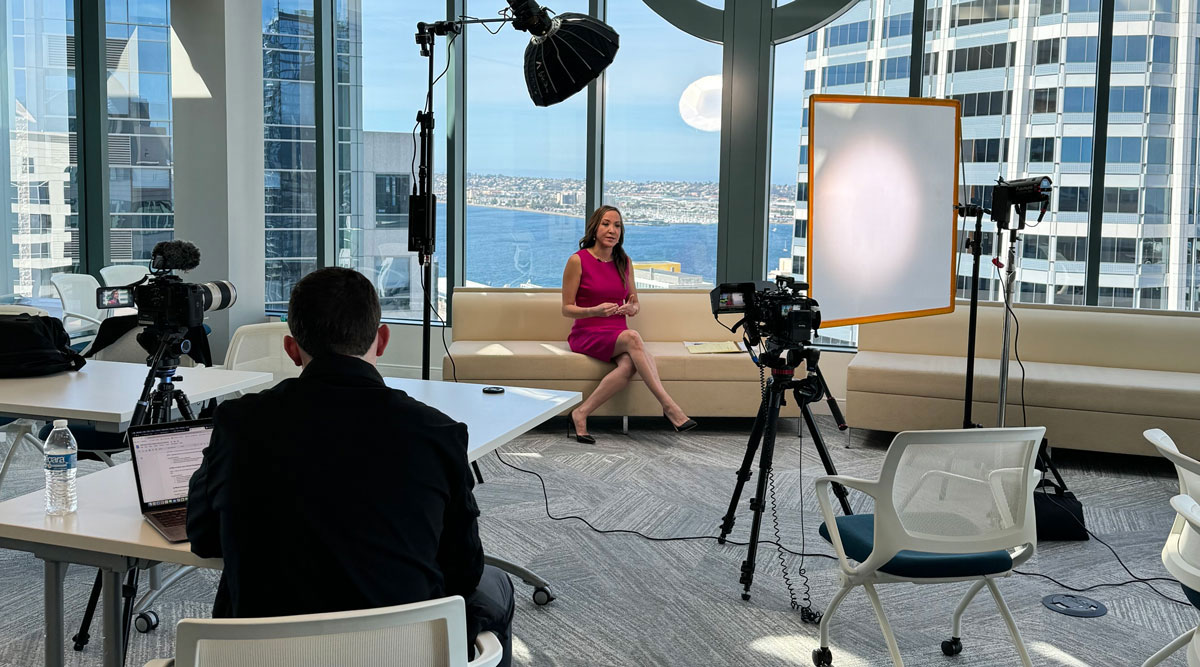
Windows are beautiful for natural light but catastrophic for controllable lighting. If your interview location has floor-to-ceiling windows, you need to know which direction they face and what time of day the sun will create problems.
East-facing windows flood rooms with harsh morning light. West-facing windows create issues in the afternoon. South-facing windows (in the Northern Hemisphere) provide relatively consistent light throughout the day.
For video production in Greenville SC or anywhere else, knowing the sun's path relative to your filming location lets you schedule interviews at optimal times or bring additional lighting to compensate.
Background Visual Clutter:
What looks normal to your eye (stacks of paper, cluttered desks, busy wall art, reflective surfaces) becomes distracting chaos on camera. The camera has no depth perception, so elements that seem "in the background" to your eye become visual competitors for attention.
During the scout, take photos of your planned backgrounds from camera height (usually 5-6 feet for seated interviews). What looks clean in person often looks chaotic on camera.
This gives you three days to declutter, rearrange, or find better backgrounds. Not three minutes while your expensive crew waits.
Most people don't think about what they're wearing until 20 minutes before they need to be on camera. Then they show up in clothing that creates technical problems or sends the wrong brand message.
We send a wardrobe brief to every on-camera subject 5 days before the shoot. It covers technical requirements and brand positioning:
Technical Requirements:
Brand Positioning:
When subjects know what to wear in advance, they show up prepared. When they're guessing, they show up in problematic clothing and you waste 30 minutes while they change or you spend money in post-production trying to fix color issues that shouldn't exist.
Most companies write a script, approve it internally, and only discover it doesn't work when the on-camera talent tries to say it out loud.
Written language and spoken language are different. Scripts that read well on paper often sound stilted, unnatural, or impossible to deliver authentically when spoken.
We require a table read 5 days before filming. The on-camera talent reads the script out loud (ideally on a video call so we can see and hear their delivery) and we identify problems:
Sentences Too Long:
If a sentence requires more than one breath to deliver, it's too long. Viewers can't process complex sentences spoken aloud the way they can read complex sentences on a page.
We break long sentences into shorter declarative statements that land harder and are easier to remember.
Unnatural Phrasing:
People don't speak in perfectly grammatical sentences. They use contractions, incomplete thoughts, and conversational rhythm.
If the script says "We have discovered that our clients appreciate the personalized approach," a natural speaker would say "Our clients love that we personalize everything."
We rewrite scripts to match how the talent naturally speaks, not how a copywriter naturally writes.
Jargon That Doesn't Land:
Industry jargon works when your audience lives in that industry. When you're trying to reach decision-makers who don't use those terms daily, jargon creates confusion.
The table read reveals which terms need explanation or replacement. Better to discover this during rehearsal than during editing when it's too late to fix.
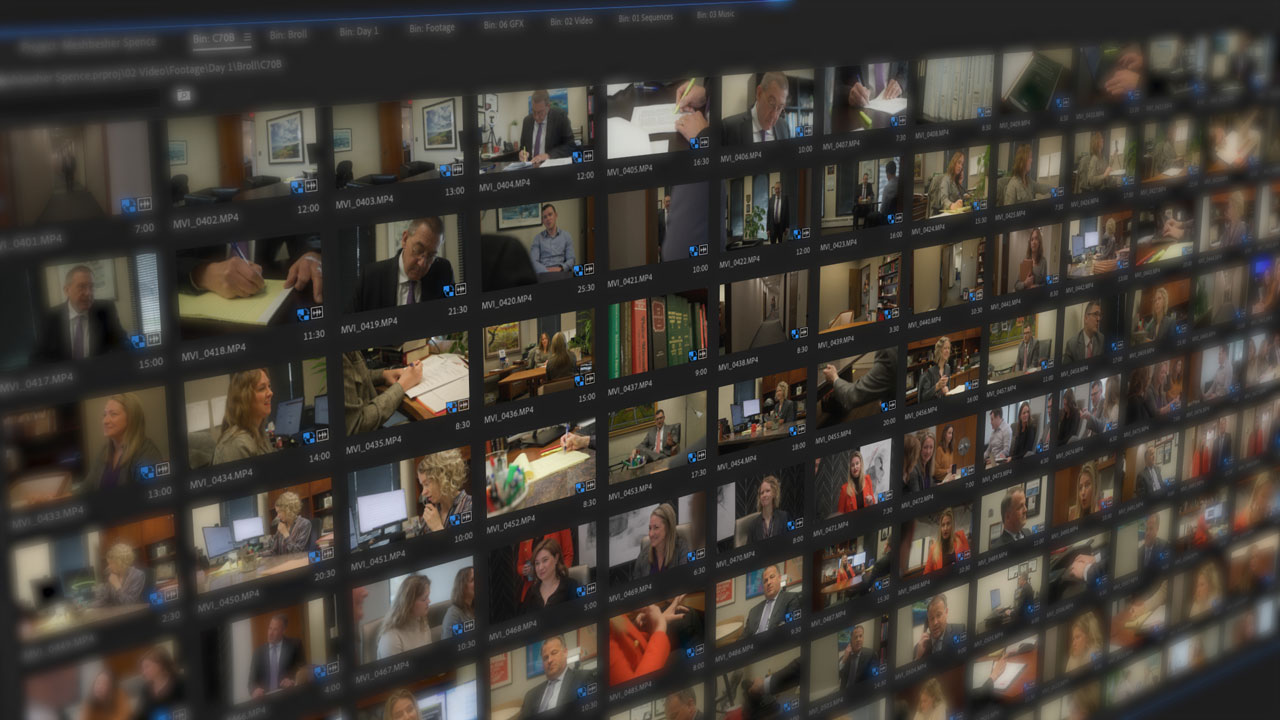
The biggest waste of money in corporate video production is discovering during editing that you need specific B-roll footage you didn't shoot.
Reshoots are expensive. Scheduling another day with the location, crew, and talent costs thousands. Stock footage is cheap but often doesn't match your specific needs.
We create detailed B-roll shot lists during pre-production based on the script and interview questions. For every abstract concept mentioned in the script, we identify specific visuals that will illustrate it:
Script mentions "streamlined operations" → B-roll shows organized workspace, digital workflows, team collaboration
Script mentions "attention to detail" → B-roll shows close-ups of precise work, quality control checks, careful processes
Script mentions "company culture" → B-roll shows team interactions, workspace environment, authentic moments
The shot list is organized by location (conference room, production floor, executive office) so the crew can efficiently capture everything needed from each setup before moving equipment.
This prevents the "I wish we had filmed that" problem that doubles production costs.
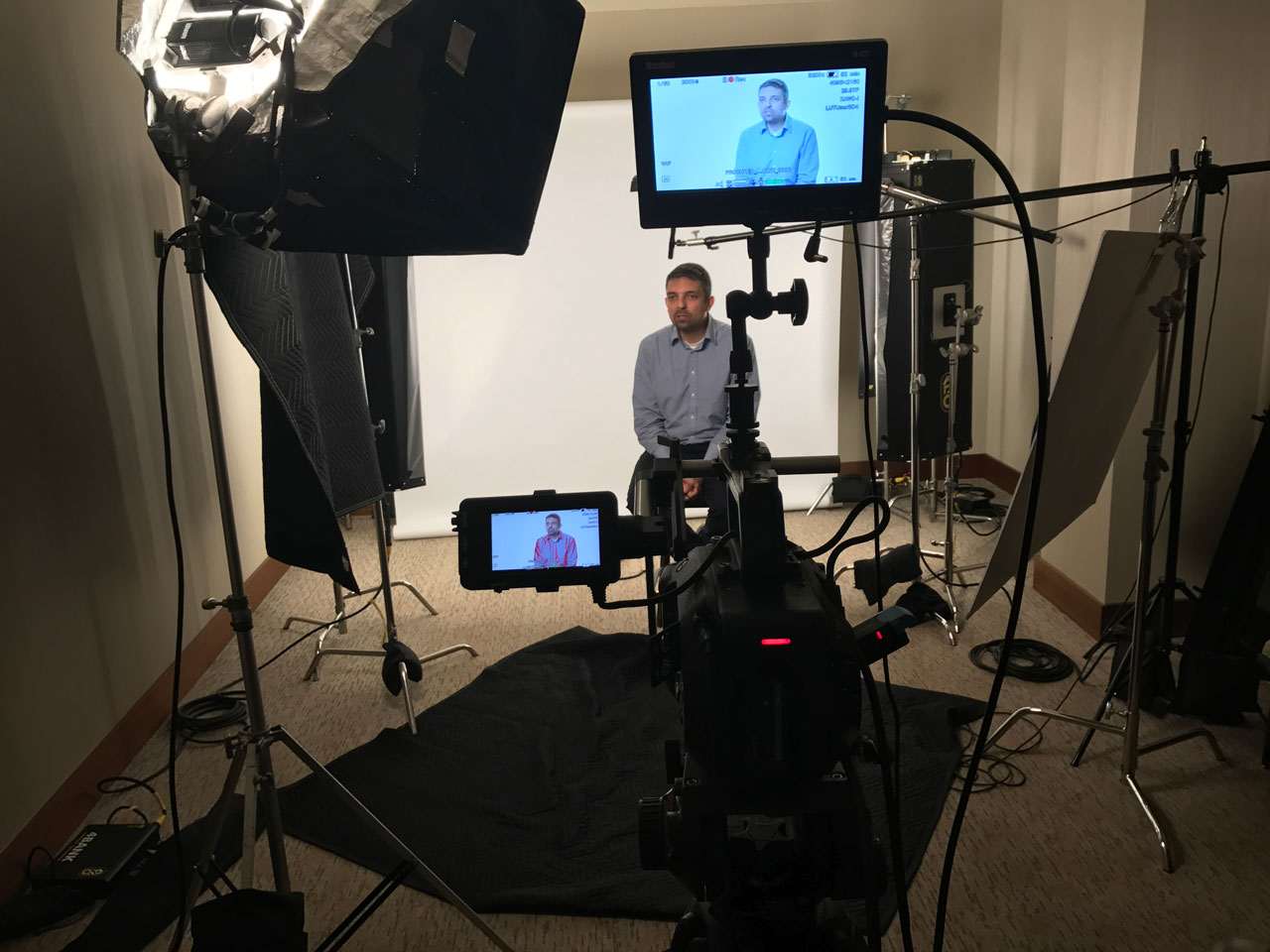
Professional crews don't show up and hope their equipment works. They test everything 48 hours in advance so there's time to fix or replace malfunctioning gear.
Camera Tests:
Record test footage at the expected resolution and frame rate. Verify that all camera settings are correct, storage media is formatted and working, and battery systems are fully charged with backups.
Audio Tests:
Test wireless microphone systems for interference at the planned shoot location. Some buildings have RF interference that causes audio dropouts. Better to discover this during testing than during the CEO interview.
Lighting Tests:
Set up the planned lighting package and run it for 30 minutes to verify that no bulbs are dying, no power supplies are failing, and no light stands are unstable.
This 2-hour gear check prevents 90% of technical failures that destroy shoot days.
Some producers believe that spontaneous interviews produce more authentic responses, so they don't share questions in advance.
This is wrong for corporate video production.
Executives and subject matter experts aren't actors improvising dialogue. They're professionals communicating specific information. Springing surprise questions on them produces rambling, unfocused answers full of "ums" and "you knows" and restarts.
Sharing questions 48 hours in advance lets subjects:
The result is tighter, more confident, more useful answers that require less editing and create better final videos.
Pre-production isn't bureaucracy. It's the phase where you prevent expensive mistakes before they happen.
Companies that rush through pre-production to "save time" end up spending triple the budget on reshoots, extended editing, and videos that don't achieve their goals because critical footage is missing.
Companies that invest 10-15 hours in thorough pre-production (location scouts, wardrobe briefs, script table reads, shot lists, gear checks, interview prep) create videos on time, on budget, and on strategy. This methodical approach is central to how we handle every project through our full-service video production process.
We've spent 21 years learning which pre-production steps actually matter and which ones are theater. The checklist above represents the minimum viable pre-production that prevents disasters. To see how thorough planning translates to polished final results, browse our recent client work.
Skip any of these steps and you're gambling with production budgets.