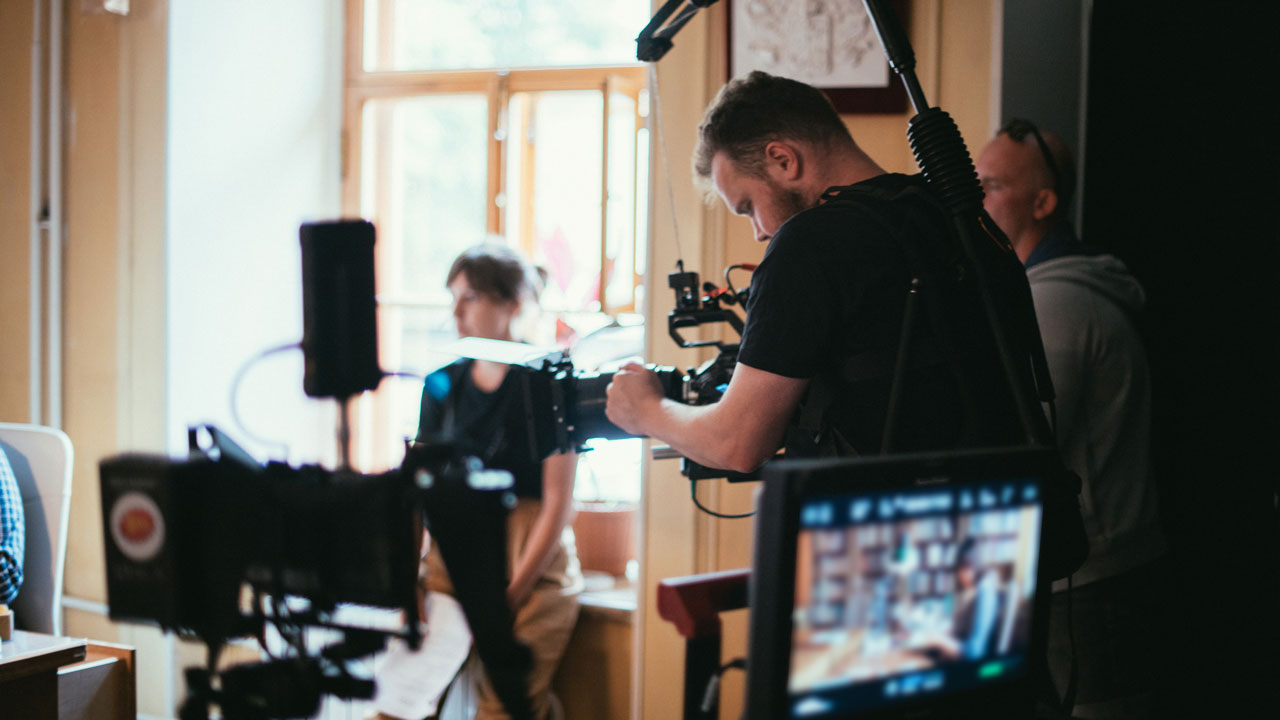
The decision to use a single camera versus multiple cameras in corporate video production sounds technical. It's actually psychological.
Multi-camera production isn't about getting more footage. It's about creating specific visual experiences that single-camera production cannot replicate. The question is whether those experiences are worth the added production complexity and cost for your specific project.
After 21 years of corporate video production, we have a clear framework for when multi-camera setups are worth the investment and when they're unnecessary complexity that adds cost without adding value.
Multiple cameras create two specific viewer experiences that single-camera production cannot:
First: the sense of witnessing a live moment. When you watch footage where two or more cameras are cutting between different angles of the same real-time event, your brain interprets this as documentation of something that actually happened. This is the same visual language as news coverage, live sports, and documentary filmmaking. It creates an authenticity signal that's absent from single-camera productions, which necessarily stage and restage each shot.
Second: the ability to hold a reaction while maintaining a speaker. In single-camera interview setups, you can show the speaker talking or a cutaway to something else. You cannot show the speaker and a listener simultaneously. Multi-camera setups can capture both, which creates the visual dynamics of real conversation—a fundamentally more engaging experience for the viewer.
Live events and performances: This is where multi-camera is genuinely non-negotiable. Keynote presentations, panel discussions, product demonstrations, award ceremonies. These events happen once. If you're not capturing them from multiple angles simultaneously, you're getting coverage but not story. You need different angles to show the speaker in context, the audience reaction, the product or screen being discussed, and the room environment—simultaneously, because these elements can't be restaged.
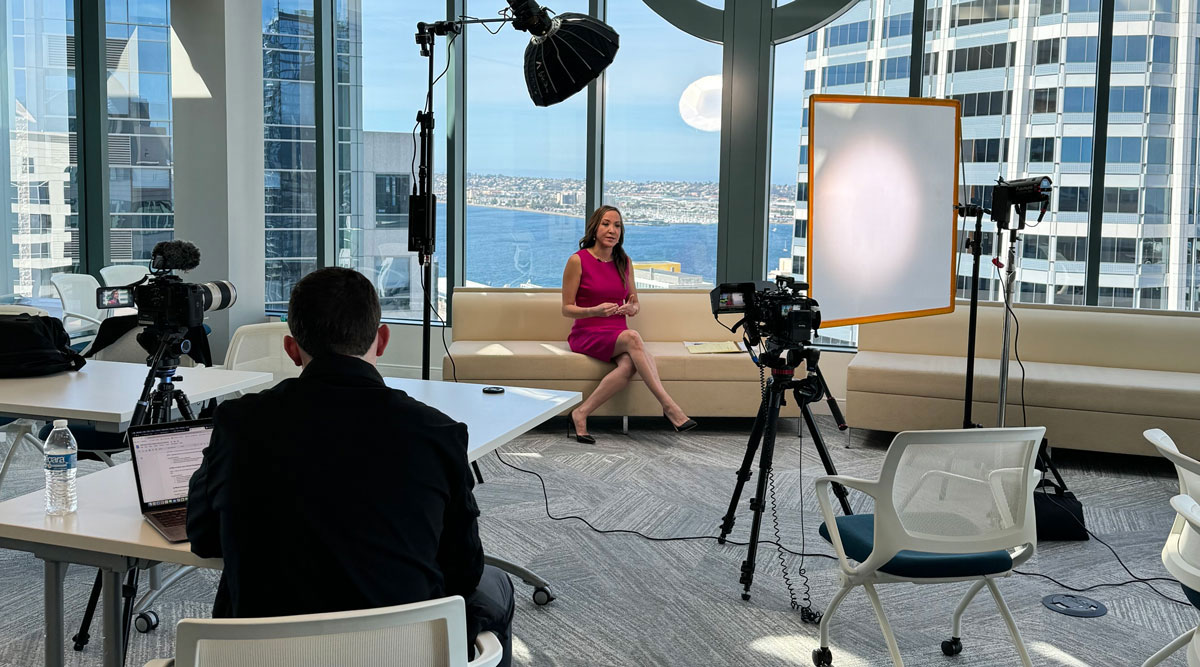
Executive interview series: When you're producing ongoing content featuring company leadership, multi-camera setups pay for themselves over time. The visual variation and the implied sense of conversation rather than performance creates more engaging content than single-camera interviews. More importantly, the editing flexibility of multiple simultaneous angles allows you to create tighter, more dynamic cuts without jump cuts.
Customer testimonial productions: Testimonials recorded in multi-camera setups feel more like genuine conversations and less like produced endorsements. This matters enormously for conversion. Buyers evaluating testimonials are specifically looking for authenticity signals. Multi-camera testimonials provide visual confirmation that a real conversation happened, not a performance.
Product demonstrations: When the product is the star, you often need simultaneous coverage of the product being operated, the operator's face and hands, and any screens or displays. Single-camera production requires staging each of these separately and then editing them together—which creates a demonstration that feels staged. Multi-camera production captures the actual demonstration as it happens.
Single-camera isn't a compromise. For the right applications, it's the superior choice.
Narrative brand videos and documentary-style productions benefit from the slower, more deliberate visual language of single-camera filmmaking. The ability to carefully compose each shot, control the visual environment precisely, and create visual consistency across disparate locations produces images that multi-camera setups—with their competing light sources and framing compromises—cannot replicate.
Highly produced commercial content almost always uses single-camera. The visual craft that differentiates premium commercial production from commodity production is largely dependent on the control that single-camera setups allow.
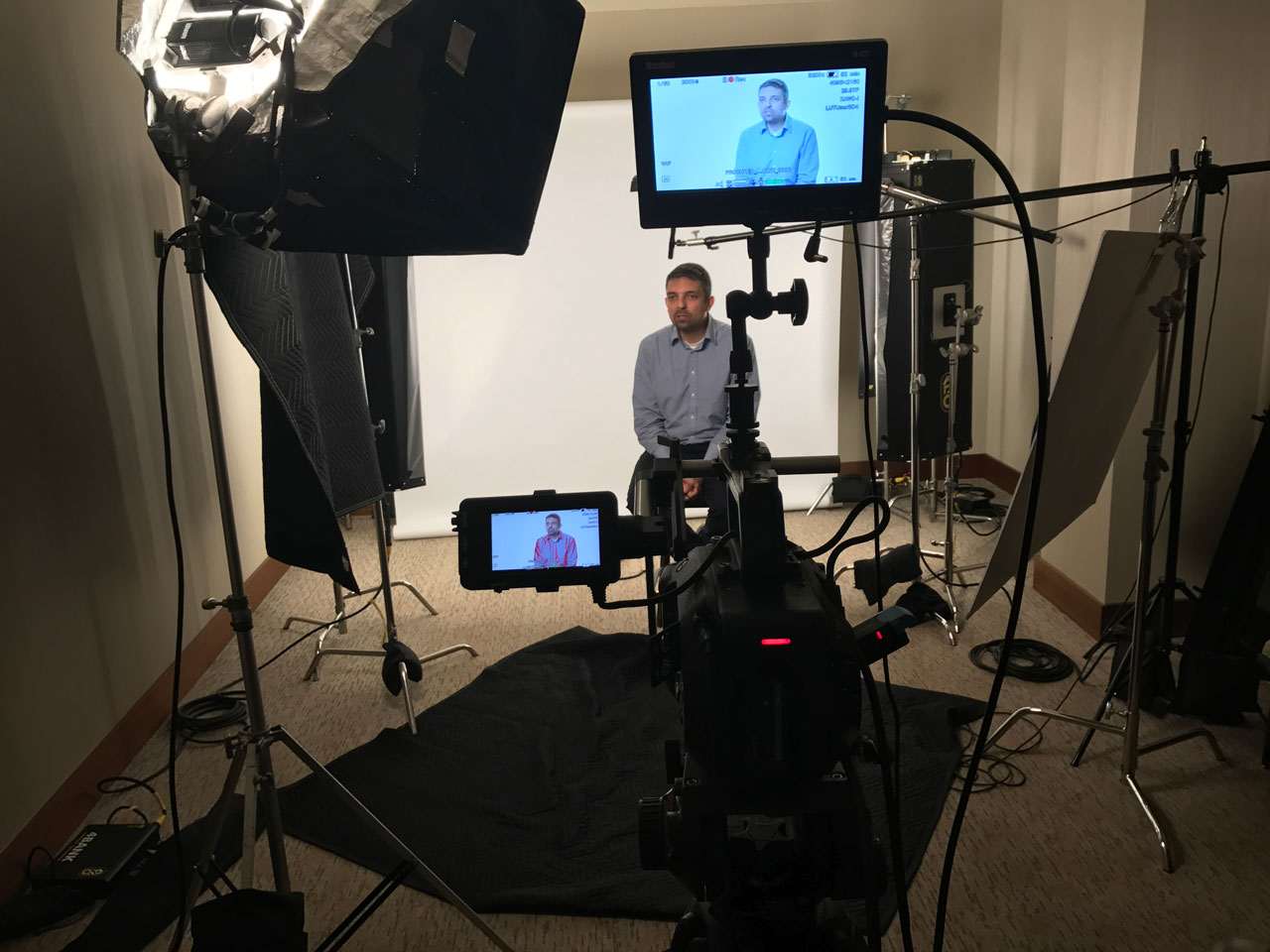
Interview-based content where the subject's comfort is critical benefits from single-camera. One camera is less intimidating than two or three. Executives who struggle with camera presence often perform better when the production footprint is smaller.
Multi-camera production typically adds 40-80% to production day costs. Second camera, second operator, additional equipment, more complex audio routing, significantly longer edit process due to multi-track synchronization and increased footage review.
This investment makes sense when the event cannot be restaged (live events), when the visual authenticity signal is worth the premium (executive content, testimonials), or when the production is ongoing and the investment amortizes over many deliverables.
It rarely makes sense for one-time produced content where careful single-camera execution can achieve the same visual quality at lower cost.
See examples of our multi-camera productions in our portfolio.
For more on this, read our guide on pre-production checklist.